 Featured guide
Recovery · 12 min read
Peptides for healing: separating signal from sales pitch
TB-500, GHK-Cu, and BPC-157 dominate the conversation. We map what is studied, what is sold, and what is legal.
Read the guideWe read the research on how the body recovers, ages, moves, and stays well, then translate it into clear, practical guidance. Every guide is sourced from primary studies and reviewed before it publishes.
Featured guideTB-500, GHK-Cu, and BPC-157 dominate the conversation. We map what is studied, what is sold, and what is legal.
Read the guideEvidence-based
Claims are grounded in peer-reviewed research, not trends.
Primary-source cited
Every guide links to the studies it draws from.
Editorially reviewed
A clinician reviews each piece before it publishes.
Sleep, stress, and how the body repairs itself.
Healthspan, aging, and the science of living well.
Movement, joints, and managing chronic pain.
Metabolism, nutrition, and sustainable weight health.
Hormones, energy, and vitality across life stages.
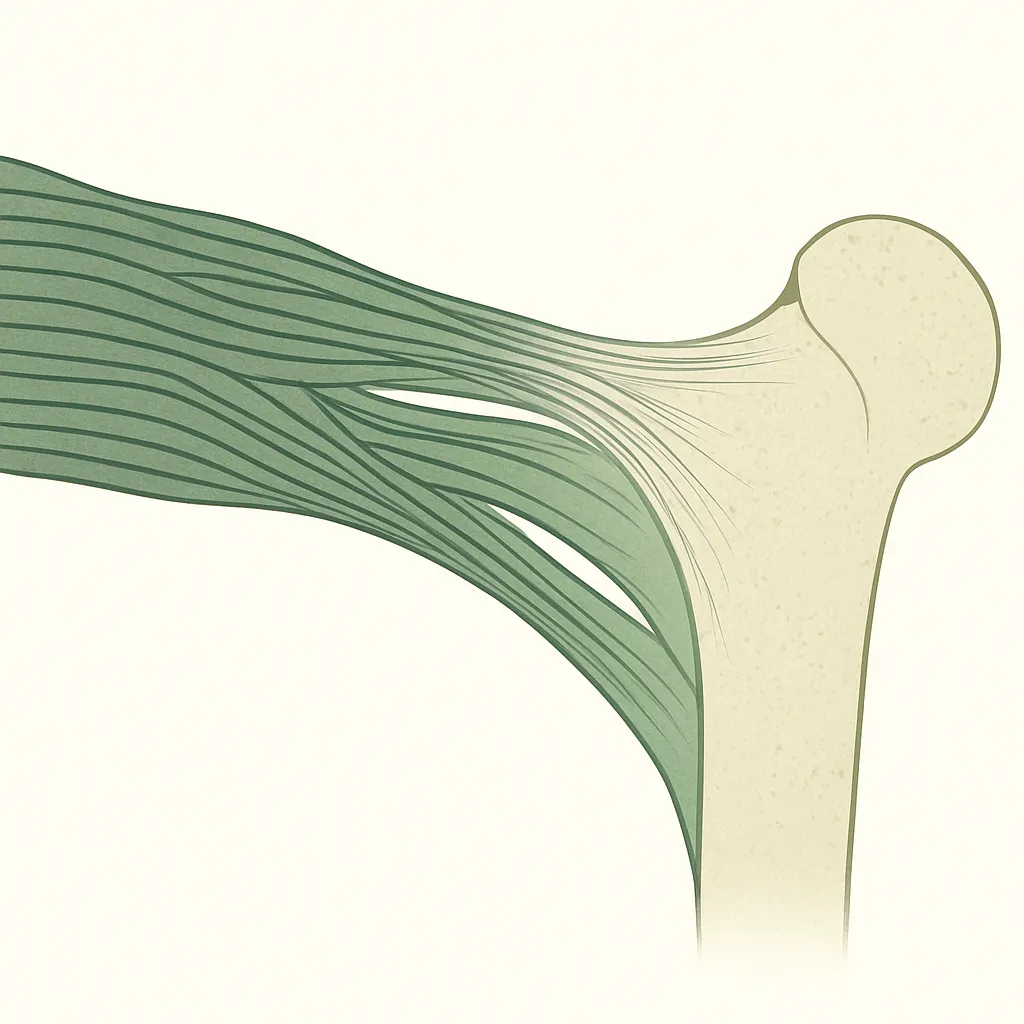
A measured look at the peptide behind the headlines, the animal data, and why human evidence is still thin.
Collagen plus vitamin C before loading is a popular protocol. We weigh the small but growing body of trials.

Two evidence-backed loading strategies for stubborn tendon pain, and how to choose between them.
The advice has shifted from RICE to PEACE & LOVE. Here is what changed and what it means for the first 72 hours.
Blunting inflammation with ice and NSAIDs can slow the very repair you are trying to speed up.
Your body cannot build collagen without the right raw materials. Here is what the nutrition research supports.
Pain-free is not the same as healed. We cover the strength and capacity benchmarks that lower reinjury risk.
Anti-inflammatories ease pain but may interfere with tissue remodeling. The timing and dose change the calculus.
Trust is earned. Our editorial process is built to keep marketing claims and wishful thinking out of what you read.
1. Start with primary sources
We work from peer-reviewed studies, systematic reviews, and clinical guidelines, not press releases.
2. Weigh the evidence
We note study size, design, and limitations so you know how much confidence a finding deserves.
3. Review with clinicians
A qualified reviewer checks each guide for accuracy and safety before it goes live.
Twice a month we send a short briefing on what new research actually means for your health. Unsubscribe anytime.
Educational content only. Not a substitute for medical advice.