What collagen actually is
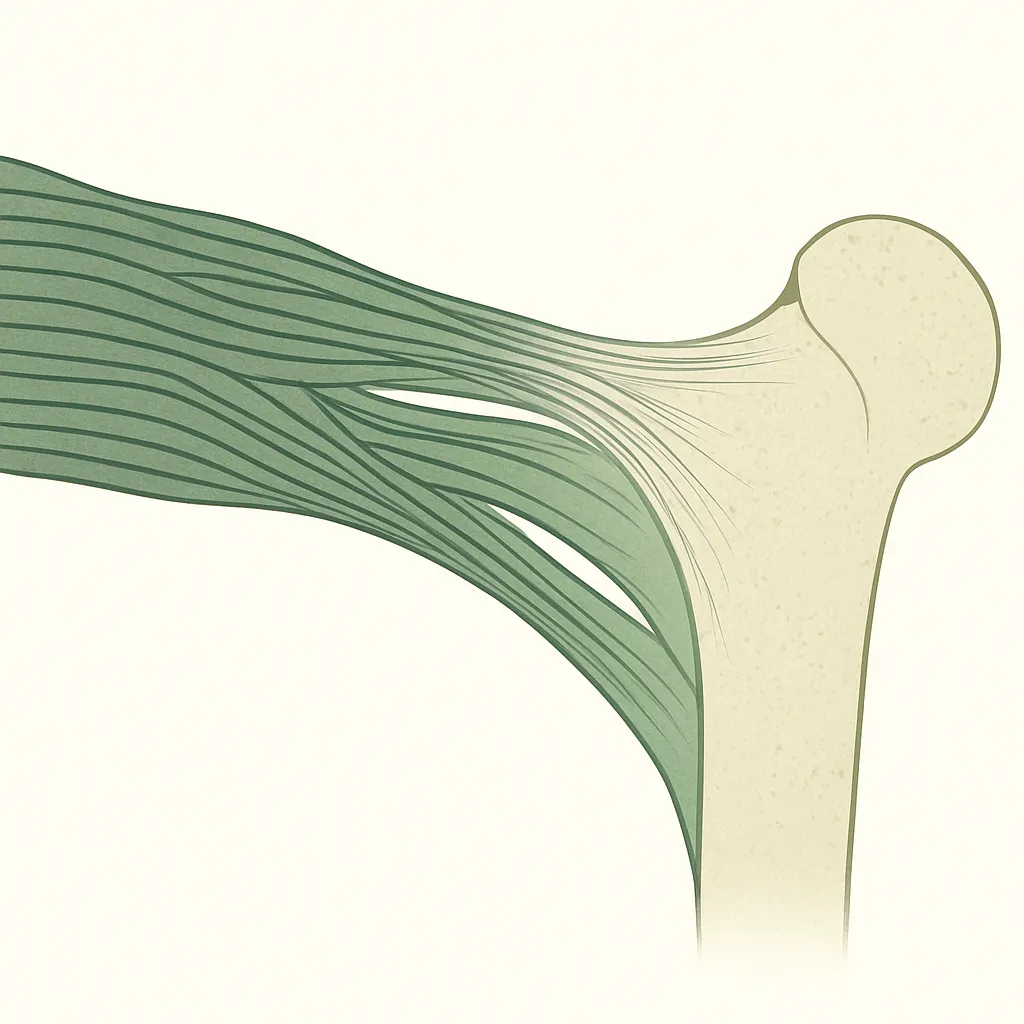
Collagen is the main structural protein in tendon, ligament, skin, and bone. It is unusually rich in the amino acids glycine, proline, and hydroxyproline, which the body assembles into the rope-like fibres that give connective tissue its tensile strength. Supplemental collagen (whether sold as gelatin or as hydrolysed collagen peptides) is simply that protein broken into smaller, absorbable fragments.
The logic of supplementing is straightforward: give the tissue more of its raw materials around the time you are asking it to rebuild. Whether that translates into stronger tendon in practice is the part that needs evidence, not just intuition.
The vitamin C "window"
Collagen synthesis depends on vitamin C as a cofactor for the enzymes that cross-link collagen strands. That is why the studied protocols pair collagen or gelatin with vitamin C, taken roughly an hour before loading, the idea being to raise circulating building blocks just as a short bout of exercise increases blood flow to the tissue.[1]
Consuming vitamin C-enriched gelatin before intermittent exercise increased circulating markers of collagen synthesis.
A follow-up comparison found that different vitamin C-enriched collagen derivatives could raise these synthesis markers, helping to clarify what form and dose actually move the needle.[2]
What the trials show
Most of the supportive data measures blood markers of collagen turnover rather than long-term tendon outcomes, which is an important caveat. The most clinically relevant trial to date combined specific collagen peptides with a calf-strengthening program in people with Achilles tendinopathy and reported greater improvements in function and pain than strengthening alone.[3]
Evidence note
Dose and timing
The protocols used in research typically provide around 15 grams of gelatin or collagen peptides plus roughly 50 milligrams or more of vitamin C, taken about 60 minutes before loading. Timing matters more here than for most supplements, because the goal is to have the building blocks available during the brief window when exercise stimulates the tissue.
Collagen is generally well tolerated. Quality and labelling vary between products, so choose third-party-tested options, and remember that the supplement is the easy part; the loading is what does most of the work.
What it will not do
Collagen will not regrow a ruptured tendon, replace rehabilitation, or deliver dramatic results on its own. The honest framing is incremental: a modest, low-risk nudge to a process that is governed primarily by mechanical load, adequate overall protein and energy, and time.
Safety note
The bottom line
Collagen with vitamin C, taken before loading, is one of the better-supported supplement protocols in the recovery space, which says as much about how thin that space is as about collagen itself. The evidence is real but modest, and you can see how it compares to other recovery interventions in our evidence ratings. Use it, if you like, as a small adjunct layered on top of progressive loading, adequate protein, and patience.
Medical disclaimer
This article is for educational purposes only and is not medical advice. It does not establish a doctor-patient relationship. Consult a qualified clinician before starting any supplement, especially if you have a medical condition or take medication.
References
- Shaw G, Lee-Barthel A, Ross ML, Wang B, Baar K. Vitamin C-enriched gelatin supplementation before intermittent activity augments collagen synthesis. American Journal of Clinical Nutrition. 2017. View on PubMed
- Lis DM, Baar K. Effects of Different Vitamin C-Enriched Collagen Derivatives on Collagen Synthesis. International Journal of Sport Nutrition and Exercise Metabolism. 2019. View on PubMed
- Praet SFE, Purdam CR, Welvaert M, et al. Oral Supplementation of Specific Collagen Peptides Combined with Calf-Strengthening Exercises Enhances Function and Reduces Pain in Achilles Tendinopathy Patients. Nutrients. 2019. View on PubMed